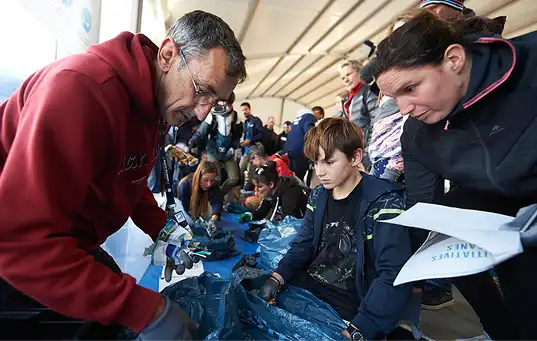
Every year, hundreds of volunteers collect, sort, and quantify the waste that pollutes our aquatic environments. This vital civic engagement is essential—without it, none of this would be possible—and it allows us to build a valuable database that helps us better understand and combat water pollution.
Find all of our results, reports, and annual summaries here: a concrete reflection of what human dedication to the ocean can achieve.
You’ll find the data for the current year here.
Number of collections
This figure reflects the collective efforts made to combat pollution and protect the ocean. All of this serves as proof that it is possible to take action, each in our own way, and contribute to a shared effort.
1213
organized fundraisers
(in 2026)
496
Collection drives with data tracking
(in 2026)
Number of measurements
Quantifying a problem makes its scale visible. This data is essential for taking more effective action and amplifying our impact on the ground. It is a key tool for taking targeted and effective action.
Number of participants
The number of participants demonstrates the scale of the mobilization. A strong message: the fight against pollution resonates widely and brings people together. So many committed individuals, ready to take action. These figures are based on surveys that included quantitative data.
3943
Participants
(in 2026)
The Top 10 Types of Waste
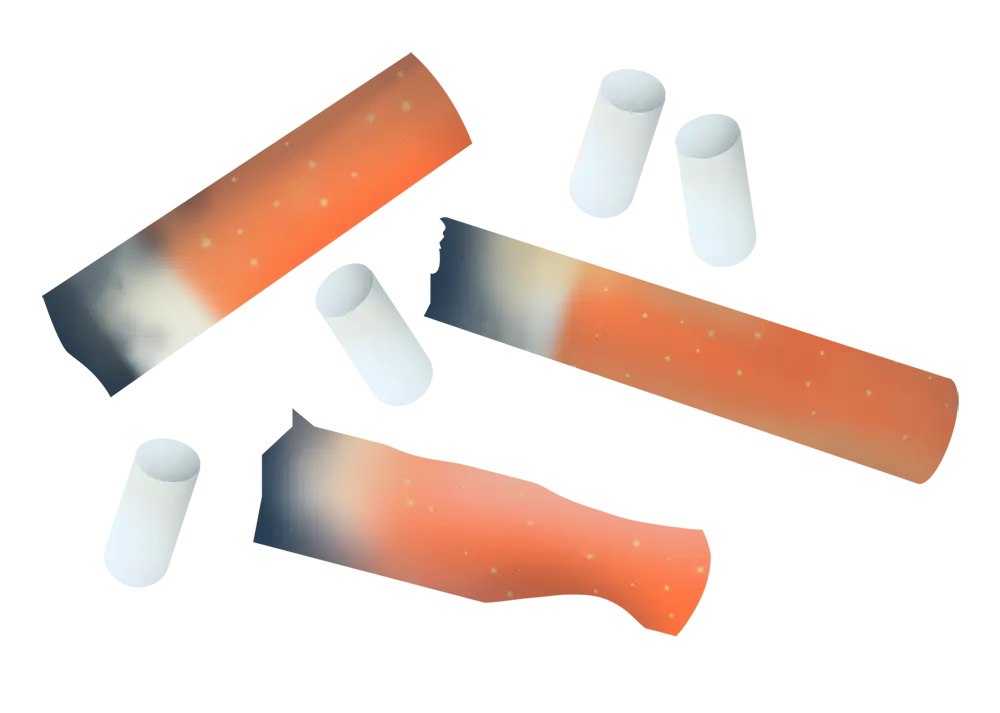
Cigarette butts / filters
Unidentifiable plastic fragments ranging from 2.5 to 50 cm in size
Intertwined ropes/cords
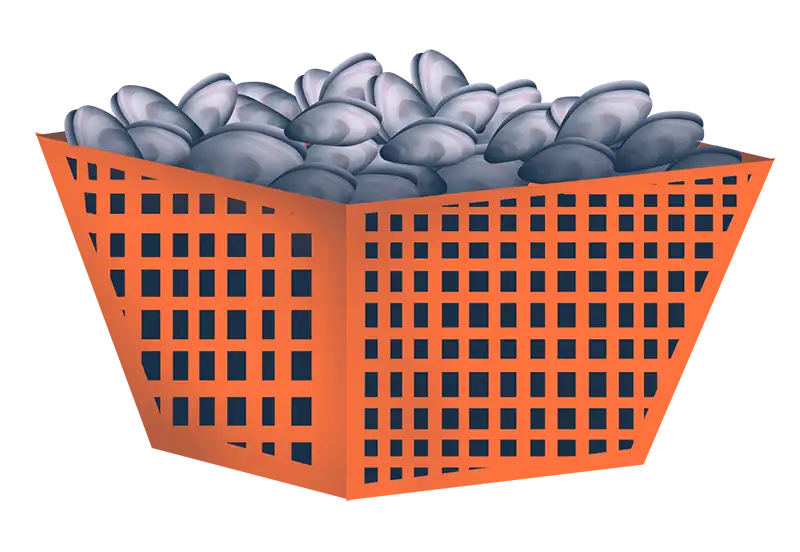
Waste from shellfish farming (bags, cages, skirts, etc.)
Metal capsules
Plastic bottle caps (including the ring and seal)
Unidentifiable polystyrene fragments ranging from 2.5 to 50 cm in size
Packaging for sweets and confectionery (candy, cakes)
Plastic bags
Plastic food packaging/containers
TRACE BACK!
The Adaptation of the European OSPAR Protocol
The protocol used for RETRACE! surveys is directly based on the European OSPAR protocol, thereby ensuring that all collected data is fully standardized and, above all, comparable across Europe.
The OSPAR surveys, which are based on the Oslo and Paris Conventions on the protection of the marine environment, enable the collection of data on marine litter using a standardized protocol across Europe. This rigorous methodology ensures the consistency and reliability of the data collected in all participating countries.
The data collected under this protocol are directly fed into national and European databases for monitoring macro-debris, particularly within the framework of the Marine Strategy Framework Directive (MSFD).
By adopting this European standard, RETRACE! ensures that every organized collection effort effectively contributes to continental environmental monitoring and European policy decisions.
GO FURTHER
Become an OSPAR Monitoring Coordinator
Would you like to take your commitment to protecting the ocean a step further beyond the RETRACE! cleanups? Surfrider invites you to take it a step further by becoming an active participant in year-round scientific monitoring.
For participants interested in taking their involvement to the next level, we offer specialized training courses that will enable you to fully master the European OSPAR protocol. This training will equip you with the skills needed to conduct a rigorous monitoring program throughout the entire year.
Want to get your employees involved in ocean conservation?
The Retrace! project is aimed at citizens who wish to work together to organize and participate in waste collection efforts across Europe.
If you’d like to engage your employees in this type of initiative, you’ll be redirected to a dedicated page showcasing the services we offer to businesses, including support from qualified facilitators to ensure high-quality team-building sessions.